
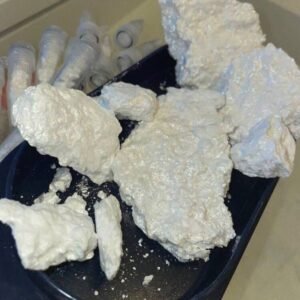
Mexican cocaine for sale in Australia
Cocaine trafficking remains a significant issue for Australia, despite the country’s geographic isolation and strict border controls. As global drug markets evolve, Australia has become an increasingly attractive destination for international trafficking networks due to high street prices, strong demand, and sophisticated logistics systems. Understanding the reality of cocaine trafficking, and its broader impact—is essential for recognizing the social, economic, and public health challenges it presents. Mexican cocaine for sale in Australia
How Cocaine Reaches Australia
Cocaine is not produced in Australia. It is primarily manufactured in South American countries where coca plants are cultivated and processed. From there, criminal networks transport the drug across international borders using complex and constantly changing methods. These can include concealment in cargo shipments, maritime routes, air freight, or the use of organized crime intermediaries operating across multiple countries.
Australian law enforcement agencies, including the Australian Federal Police (AFP) and Australian Border Force, regularly intercept large shipments. Despite these efforts, trafficking networks adapt quickly, using smaller consignments, encrypted communications, and layered operations to reduce detection.
Mexican cocaine for sale in Australia
Australia’s illicit drug market is among the most lucrative in the world. Cocaine can command far higher prices in Australia than in many other countries, creating strong financial incentives for traffickers. This profitability fuels organized crime activity, both domestically and internationally, and increases competition among criminal groups.
The financial gains from cocaine trafficking often fund other forms of serious crime, including money laundering, weapons trafficking, and corruption. This creates a ripple effect that extends far beyond drug use alone. Mexican cocaine for sale in Australia
Social and Health Impacts
Cocaine trafficking has serious consequences for Australian communities. Increased availability can lead to higher rates of drug use, addiction, and related health complications. Cocaine use is associated with heart problems, mental health issues, dependency, and, in severe cases, overdose.
Beyond individual health risks, communities may experience increased violence, family breakdowns, and strain on healthcare and social services. Drug-related crime places additional pressure on emergency responders, hospitals, and rehabilitation programs. Mexican cocaine for sale in Australia
Economic and Legal Consequences
The economic cost of cocaine trafficking in Australia is substantial. Government spending on law enforcement, border security, court proceedings, incarceration, and health services runs into billions of dollars annually. These costs are ultimately borne by taxpayers.
Legally, Australia enforces some of the strictest drug laws in the world. Penalties for importing, trafficking, or possessing cocaine can include lengthy prison sentences, heavy fines, and permanent criminal records. These consequences can have lifelong impacts on employment, travel, and personal relationships.
Australia’s Response
Australia’s approach to combating cocaine trafficking combines law enforcement, international cooperation, and public health strategies. Authorities work closely with international partners to disrupt supply chains, share intelligence, and dismantle criminal networks. At the same time, harm-reduction and education programs aim to reduce demand and support those affected by substance abuse. Where can I buy Mexican cocaine in Australia Where can I buy Mexican cocaine in Australia